
Reviewed for accuracy by Muhammad Gulbadin, founder and operations manager at Urban Flooring, 15+ years in UAE flooring.
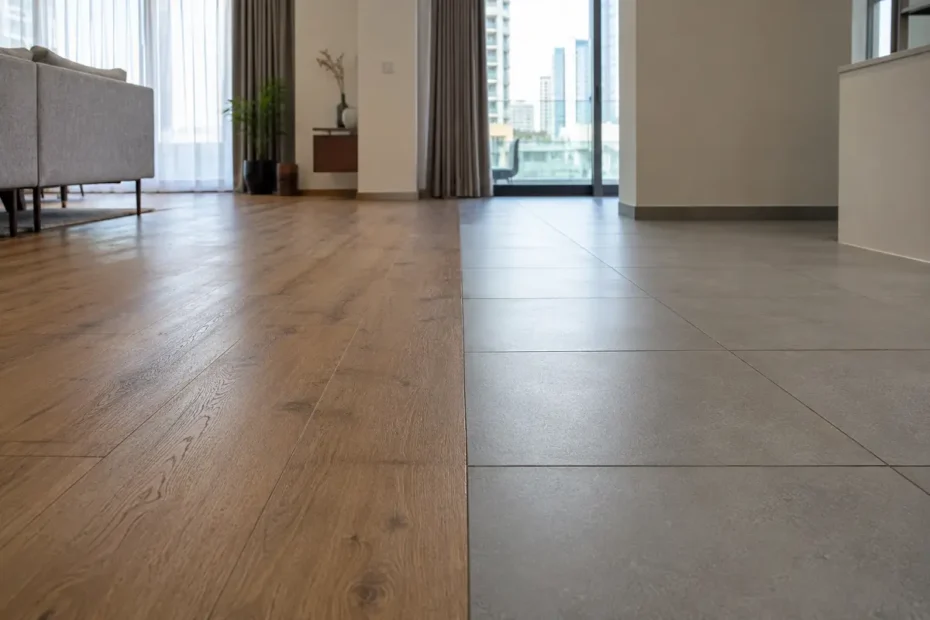
For most Dubai homes, waterproof vinyl (SPC or LVT) is the practical winner: cheaper, warmer and quieter underfoot, faster to fit, and it can often lay straight over existing tiles. Tiles still win on outright hardness, scratch resistance and lifespan, and suit buyers set on a stone or marble look. The right choice depends on the room, your budget and the feel you want.
Vinyl vs tiles at a glance
Both are hard-wearing, water-friendly floors that suit the UAE, and modern vinyl flooring closes much of the gap on looks. The table compares them across the points that decide a Dubai home. Tile prices shown are indicative UAE market rates for comparison only; Urban does not trade tiles, so these are not our quotes.
| Feature | Vinyl (SPC / LVT / sheet) | Tiles (ceramic / porcelain) |
|---|---|---|
| Cost (supply and fit) | SPC AED 35–150/sqm (3.3–13.9/sqft); LVT 45–350 (4.2–32.5); sheet from ~22 (2.0) | Ceramic ~45–95/sqm (4.2–8.8/sqft); porcelain ~70–150 (6.5–13.9); premium/large-format 150–250 (13.9–23.2); plus waterproofing/screed |
| Waterproof | Waterproof (SPC/WPC/LVT); fewer seams | Waterproof body (porcelain <0.5% absorption); grout lines need sealing |
| Comfort underfoot | Softer, forgiving on dropped items | Hard, unforgiving |
| Warmth | Warmer, consistent year-round | Cool (a summer plus, a winter and AC minus in the UAE) |
| Noise | Quieter, absorbs footfall | Harder, more echo |
| Durability / lifespan | 15–20+ yrs (SPC to ~25) | Very long; porcelain 20–50+ yrs |
| Scratch resistance | Good (wear-layer dependent) | Excellent (hardest surface) |
| Install speed | Fast, often 1–2 days, less disruption | Slower, 3–5+ days incl. adhesive and grout cure |
| Can lay over existing floor | Yes, click SPC/LVT over sound, level tile | Usually tile-over-tile or strip-out, more prep |
| Repairability | Easier, lift and replace planks or tiles | Harder, colour-match and re-grout; dropped items can crack tile |
| Best rooms | Whole-home, bedrooms, living, kitchens, baths (warm and waterproof) | Wet areas, outdoor and sun spots, buyers wanting a stone look or maximum hardness |
Cost: is vinyl cheaper than tiles?
Supplied and fitted, SPC runs about AED 35 to 150/sqm (about AED 3.3 to 13.9/sqft) and LVT about AED 45 to 350/sqm (about AED 4.2 to 32.5/sqft), with budget sheet vinyl from around AED 22/sqm (about AED 2.0/sqft).
Indicative UAE tile rates run about AED 45 to 95/sqm (about AED 4.2 to 8.8/sqft) for ceramic, AED 70 to 150/sqm (about AED 6.5 to 13.9/sqft) for standard porcelain, and AED 150 to 250/sqm (about AED 13.9 to 23.2/sqft) for premium large-format, with marble and natural stone from around AED 200 to 450/sqm (about AED 18.6 to 41.8/sqft).
The headline rates look close, but tiles carry extras vinyl does not: wet-area waterproofing at roughly AED 1,500 to 3,000 per bathroom, screed and levelling, grout, around 10% wastage, and three to five days or more of labour against one to two for vinyl. Rock-bottom Dragon Mart ceramic material is cheap, but the labour closes the gap. The exceptions are premium porcelain, large-format and stone, which usually cost more than vinyl except premium LVT.
Tile prices here are indicative UAE market rates for comparison, not Urban quotes, as we do not trade tiles. For vinyl pricing across every type, see our flooring cost guide.
Waterproofing and wet areas: vinyl vs tiles
Both vinyl and tiles handle water well, and this is where honesty matters most. Tile is the classic wet-area surface and is genuinely excellent here. Porcelain absorbs under 0.5% water, so the tile body is effectively impervious, which is why it has been the default bathroom floor for decades. Its one weak point is the grout: the lines between tiles are porous and need sealing and regular cleaning to stay hygienic and stain-free.
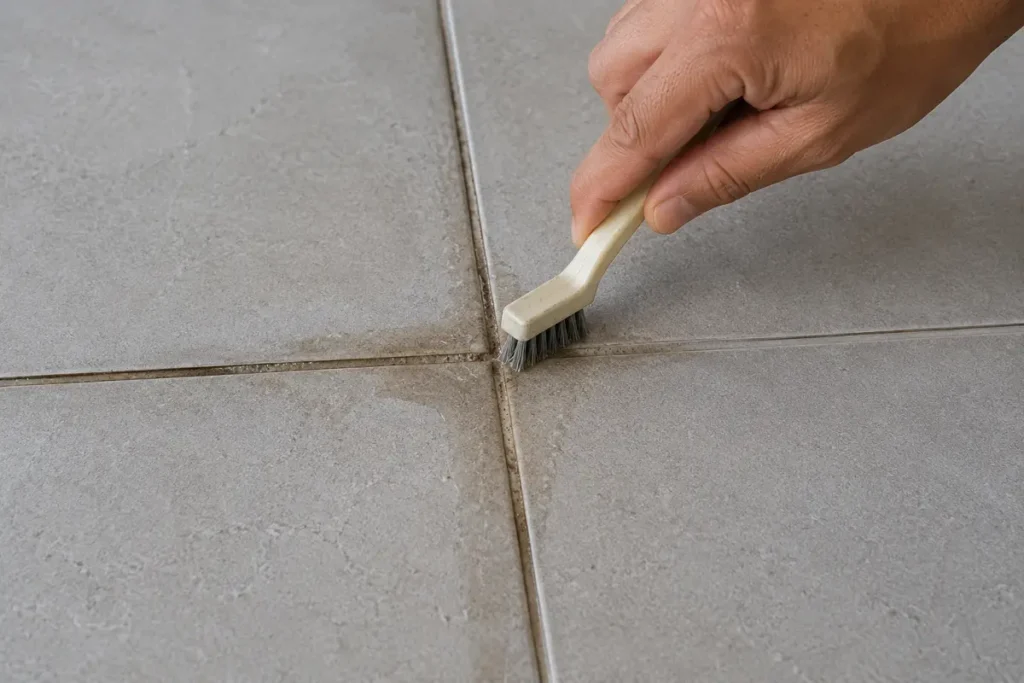
Waterproof vinyl is also a sound wet-area floor, and its edge is not that it beats tile on water, it does not need to. SPC flooring and LVT are waterproof, warmer underfoot, have fewer seams and no grout to seal or scrub, cost less, and can often lay over your existing bathroom tiles without a strip-out. For a bathroom or kitchen that feels warmer and is quicker and cheaper to fit, vinyl is the practical pick; for a hard stone or marble look, tiles still appeal.
For more on choosing a wet-area floor, see our guide to waterproof flooring options.
Comfort, warmth and noise underfoot: vinyl vs tiles
This is a clear vinyl win, with one UAE twist. Vinyl is softer, warmer and quieter underfoot. It absorbs footfall, takes the edge off dropped items, and feels consistent year-round, with WPC the warmest of the vinyls. Tiles are hard and cool, and they echo more in a room.
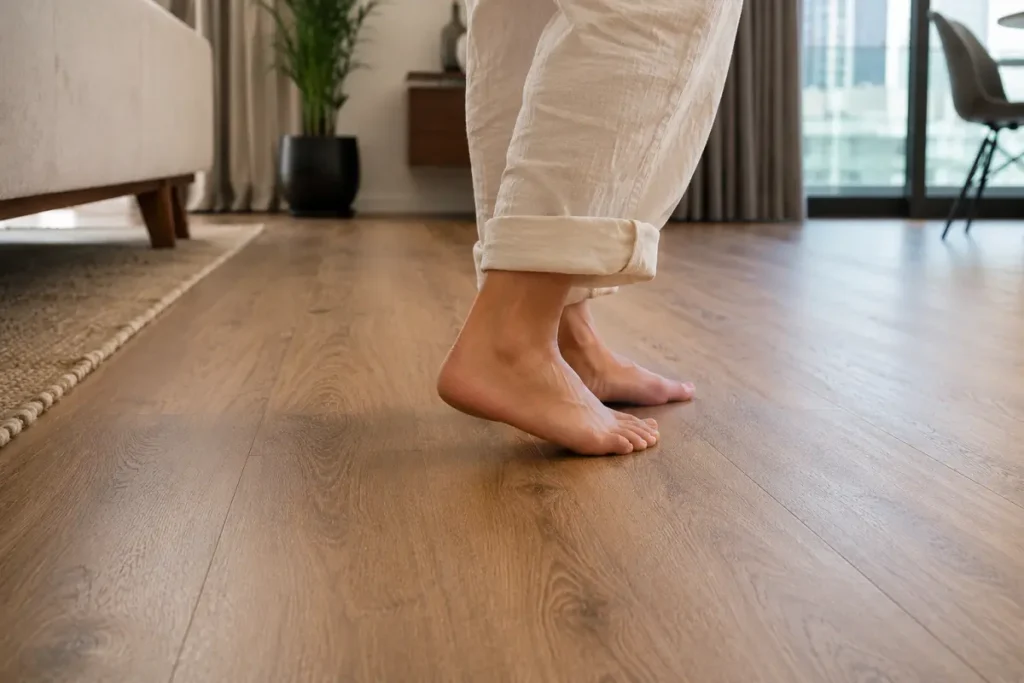
The cool part is double-edged in the UAE. Many people love cool tiles through the long hot summer, but the same floors feel cold on winter mornings from December to February and under heavy air-conditioning. So tiles being cool is a genuine summer plus and a winter minus, not a flat negative. If you want a floor that stays comfortable all year and is gentle underfoot, vinyl is the better pick; if you actively want a cool surface in summer, tiles deliver it.
Durability and lifespan: vinyl vs tiles
Tiles win on raw toughness, and it is worth saying so plainly. Porcelain is the hardest common floor surface, with the best scratch resistance and a very long life, around 20 to 50 years or more, while ceramic lasts roughly 15 to 25. Vinyl lasts about 15 to 20 years, with SPC reaching 25 with care. On scratch resistance and outright lifespan, tiles are ahead.
Vinyl makes up ground where it counts day to day. It resists dents and absorbs dropped items that can chip or crack a tile, and it is far easier to repair: a damaged plank or tile lifts and swaps, while a cracked tile means colour-matching and re-grouting, often with a visible patch. So tiles last longer untouched, but vinyl is the more forgiving and more repairable floor in a busy home.
Installation and disruption, including vinyl over existing tile
Vinyl is much faster and less disruptive to fit, and this is one of its biggest practical advantages. Click SPC and LVT can often float straight over your existing tiles, and in most UAE homes we visit the tile is already sound and level enough to go over as-is, which surprises a lot of owners expecting a strip-out.
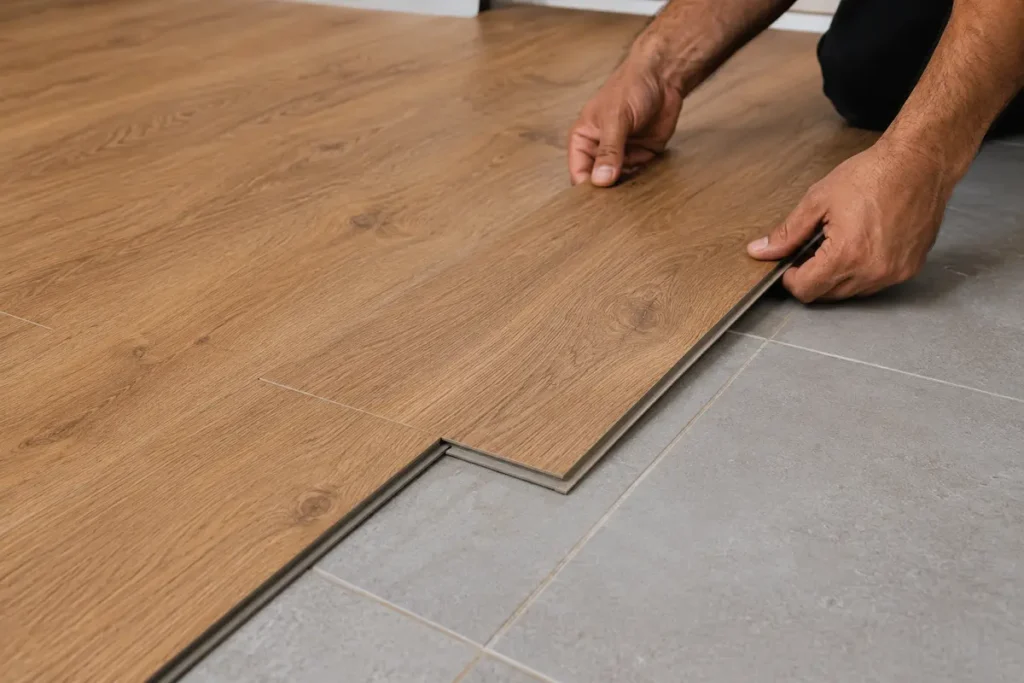
The job the existing floor most often needs first is grout work: wide or deep grout lines get filled or skimmed so they do not telegraph through the new planks. Beyond that, expansion gaps are left at the edges and we check the added height does not foul doors or thresholds. Where the tile is suitable, laying over it skips the cost, dust and days of ripping out the old floor, and the room is usually ready in one to two days.
Tiling is a bigger job: screed and levelling, adhesive, grouting and curing time, typically three to five days or more, with far more dust and disruption. Tile can go over tile too, but it usually needs more preparation than a floating vinyl floor.
Look, feel and resale value: vinyl vs tiles
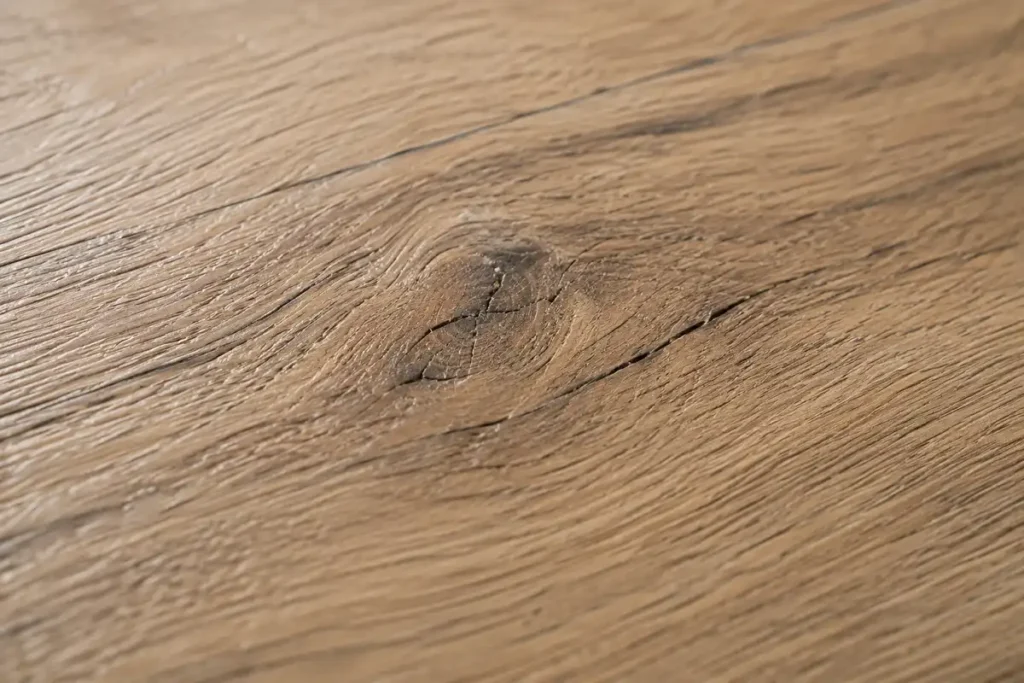
On looks, the gap is smaller than it used to be. Modern LVT uses high-resolution printing and embossing to mimic wood and stone convincingly, and at normal viewing distance most people cannot tell quality vinyl from the real thing. Tiles still hold an edge for an authentic stone, marble or large-format porcelain look, which some buyers specifically want.
On resale, be wary of firm claims either way. In luxury villa segments, natural stone and large-format porcelain can read as premium and may help resale; in mid-market apartments and rentals, quality vinyl is widely accepted, and its warmth and quiet can be a selling point. There is no reliable UAE data showing one material adds more value than the other, and in practice condition and finish quality matter far more than the material itself.
If you are also weighing vinyl against a wood-look laminate, our vinyl vs laminate comparison covers that decision.
Which holds up better in Dubai’s climate, vinyl or tiles?
Both cope well with Dubai’s heat and humidity. Tiles tolerate direct sun and heat without issue, which is why they are common in sun-facing spots and outdoor-adjacent areas. Waterproof vinyl handles indoor heat and humidity comfortably, and SPC is the most heat-stable vinyl for sun-exposed rooms behind large glazing. Neither is damaged by UAE humidity the way solid wood or laminate can be.
Indoors, where both perform, the decision comes back to comfort, cost and the feel you want underfoot, not survival in the climate.
Vinyl or tiles: a room-by-room verdict
The honest answer is room by room, and it is fair to name where a tile buyer might genuinely prefer tiles. Vinyl leads wherever warmth, quiet, cost and a fast fit matter, which covers most of a home. Tiles lead on hardness, sun exposure and a genuine stone finish. The four cases below cover almost every Dubai project.
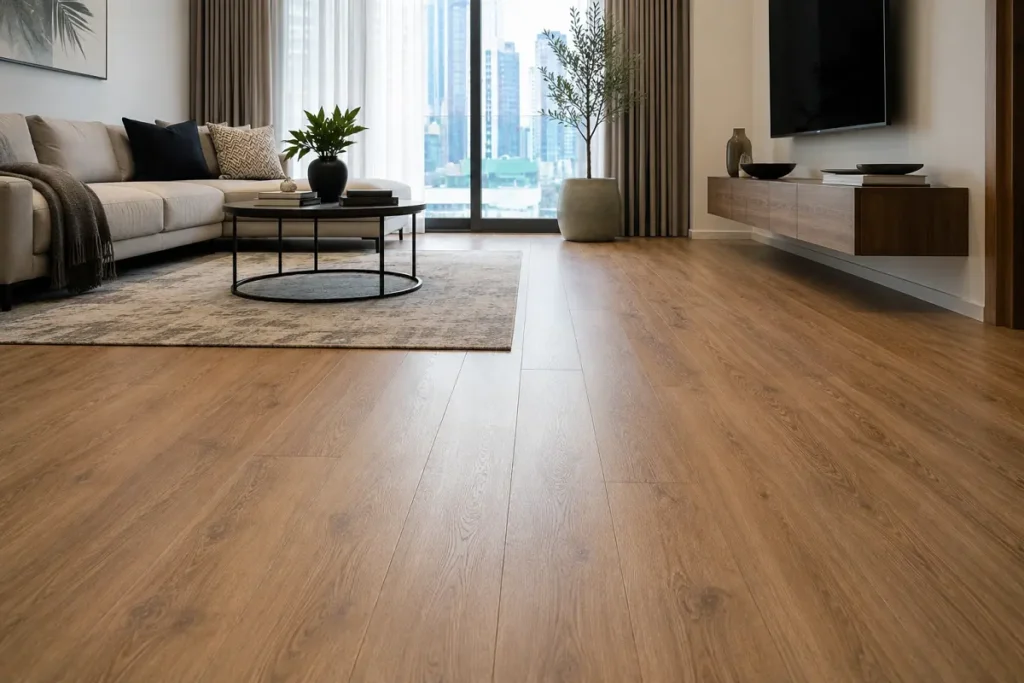
- Bedrooms, living rooms and whole-home: waterproof vinyl, for warmth, quiet, comfort and a quick fit. This is where vinyl is the clear practical choice.
- Kitchens and bathrooms: vinyl for warmth, lower cost and no grout to scrub, often over your existing tiles; tiles if you specifically want a hard stone look and do not mind the grout upkeep.
- Sun-facing and outdoor-adjacent spots: tiles handle direct sun well; indoors behind glazing, SPC is the heat-stable vinyl option.
- If you want maximum hardness, the longest possible lifespan, or a genuine stone or marble finish: tiles are the better fit, even though we do not fit them.
For most UAE homes that want one practical floor throughout, waterproof vinyl flooring delivers the best balance, and SPC flooring is the hard-wearing, waterproof tile alternative for wet and high-traffic rooms. If you are choosing between the two main vinyls, our SPC vs LVT guide breaks it down.
Vinyl vs tiles: frequently asked questions
Can you lay vinyl flooring over existing tiles?
Often yes. Click SPC and LVT float over existing tile if it is sound, clean and level, with no loose or hollow pieces. Wide or deep grout lines may need filling first so they do not show through, and expansion gaps are left at the edges. It saves the cost and mess of ripping out the old tiles. A site visit confirms the surface is suitable.
Is vinyl cheaper than tiles in Dubai?
Usually, once everything is counted. Vinyl is fitted faster with less prep, while tiles add screed, adhesive, grout, wet-area waterproofing and more labour. SPC runs about AED 35 to 150/sqm (about AED 3.3 to 13.9/sqft) supplied and fitted; ceramic to mid porcelain lands around AED 45 to 150/sqm (about AED 4.2 to 13.9/sqft) plus those extras. Premium porcelain and stone cost more again.
Which is better for bathrooms and kitchens, vinyl or tiles?
Both work, they are just different. Tiles are the classic wet-area surface and handle water well, though the grout needs sealing and cleaning. Waterproof vinyl (SPC or LVT) is also fine in these rooms and adds warmth underfoot, fewer seams and no cold shock, at lower cost. For comfort and budget, vinyl; for a hard stone look, tiles.
Are tiles colder underfoot than vinyl?
Yes. Tiles stay cool because they do not hold heat, which many people enjoy in the UAE summer but notice on winter mornings and under heavy air-conditioning. Vinyl feels warmer and more consistent year-round, and WPC vinyl is the warmest. If a cool floor in summer appeals to you, tiles suit; if you want warmth underfoot, vinyl wins.
Which lasts longer, vinyl or tiles?
Tiles, on raw lifespan. Quality porcelain can last 20 to 50 years or more and resists scratches better than any vinyl. Vinyl lasts around 15 to 20 years, with SPC reaching 25 with care. Vinyl makes up ground on dents and dropped items, which can crack tile, and it is easier and cheaper to repair or replace when a refresh is wanted.
Is vinyl or tiles better for Dubai’s heat and humidity?
Both cope well. Tiles tolerate direct sun and heat without issue and are common in sun-facing and outdoor-adjacent spots. Waterproof vinyl handles indoor heat and humidity comfortably, with SPC the most heat-stable for sun-exposed rooms behind glazing. Neither is harmed by UAE humidity the way wood or laminate can be. Indoors, the choice comes down to comfort and cost.
Does vinyl or tiles add more resale value?
Perceptions vary by buyer. In some luxury villa segments, natural stone and large-format porcelain read as premium and may help resale. In mid-market apartments and rentals, quality vinyl is widely accepted, and its warmth and quiet can be a selling point. There is no firm UAE data showing one adds more value than the other; condition and finish quality matter most.
Do you supply and fit tiles?
No. Urban Flooring is a vinyl, wood, carpet and resin specialist, and we do not supply or fit tiles, ceramic, porcelain, stone or marble. We have given a fair comparison above so you can decide for yourself. If you want the practical balance of cost, warmth and a quick fit, often over your existing tiles, we would fit waterproof SPC or LVT. We are happy to advise on a free site visit.
The bottom line: vinyl or tiles for Dubai homes
Vinyl and tiles are both strong UAE floors, and a fair comparison has to admit tiles win on outright hardness, scratch resistance and lifespan, and on a genuine stone or marble look. For most Dubai homes, though, waterproof vinyl is the practical winner: warmer and quieter underfoot, cheaper installed once tile’s waterproofing and labour are counted, faster and cleaner to fit, and often able to lay straight over the tiles you already have.
We fit vinyl, not tiles, and we have given you the honest case for both so you can choose with your eyes open. Map your rooms, and a free site visit will confirm whether vinyl can go over your existing floor.
Get an honest recommendation with a free site visit
Comparing vinyl and tiles for your home? Message us on WhatsApp and a flooring specialist will give honest, room-by-room advice, including whether waterproof SPC or LVT can lay straight over your current tiles without a strip-out. We fit vinyl, wood, carpet and resin, not tiles, so the advice is straight.
- WhatsApp us: +971 56 689 9831
- Call: +971 56 689 9831
- Request a free site visit and quote across Dubai and Abu Dhabi.
We have supplied and fitted vinyl floors in UAE homes since 2013, with more than 10,000 projects completed by our in-house team.

Junaid Rana is a content strategist with over 10 years of experience in the interior and fit-out industry, writing on flooring, finishes and fit-out across UAE homes and commercial spaces. His guides are reviewed for accuracy by Urban Flooring’s in-house experts.