Start with the space and what happens in it, and the material follows. Choosing the other way round, by picking a material first, is how a floor ends up specified for the wrong demand.
Three questions settle most of it.
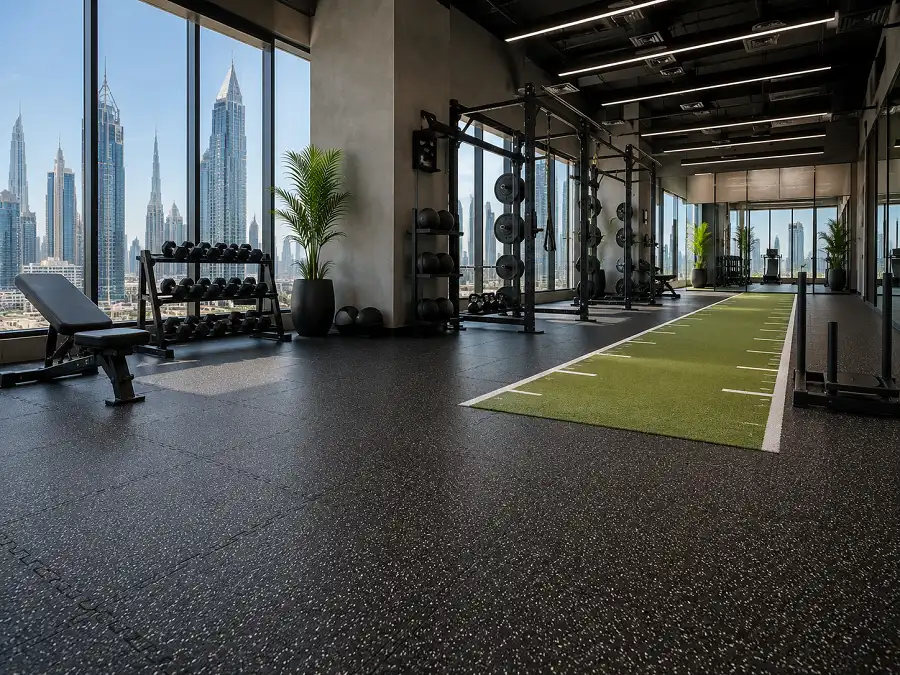
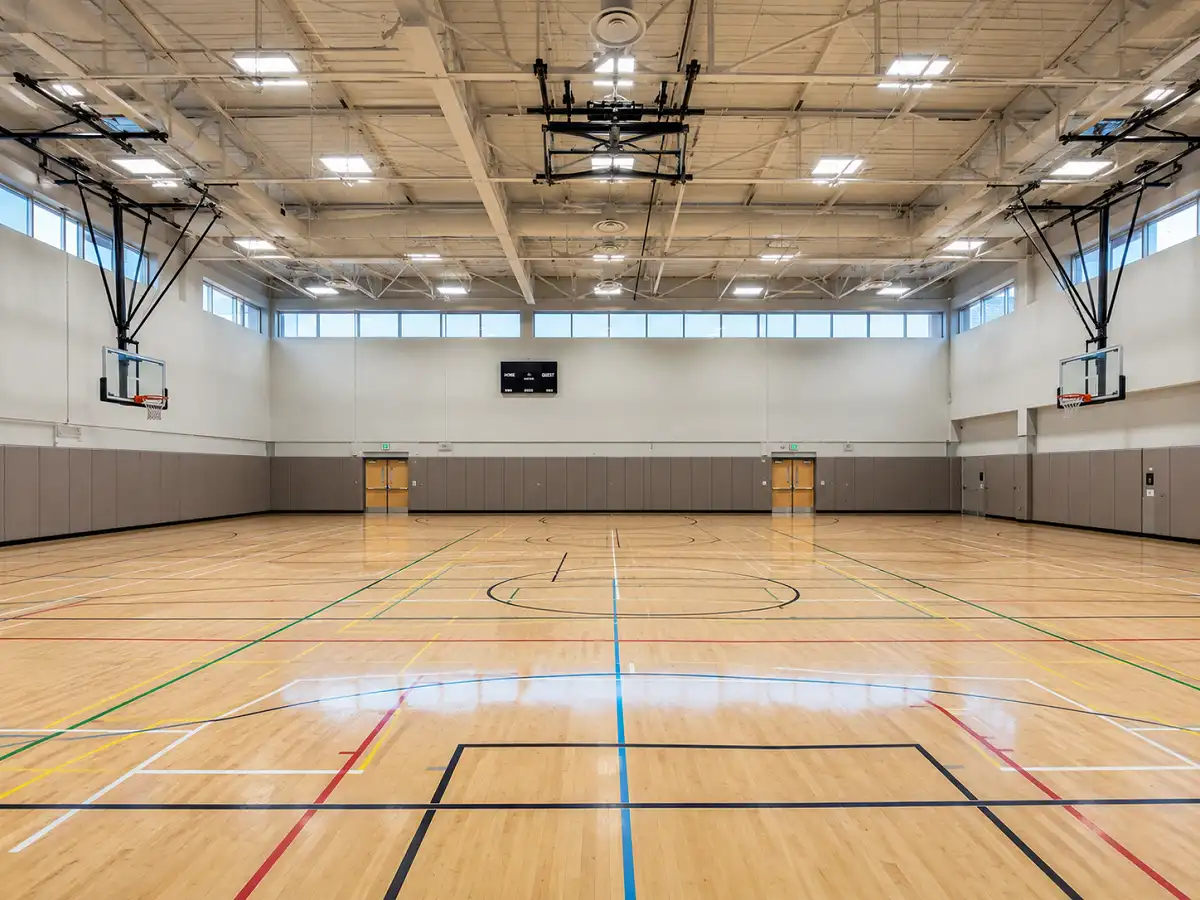
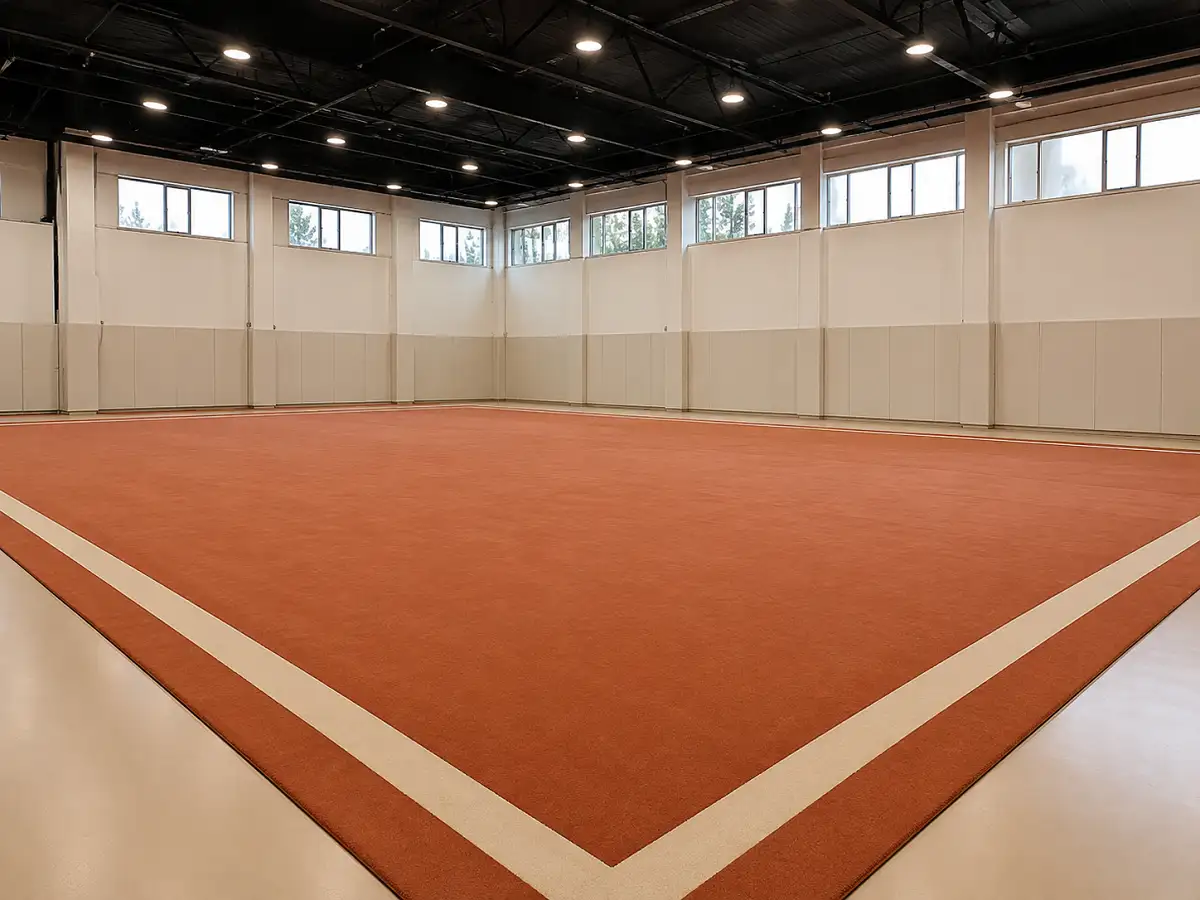
What is the space? A fitness gym, an indoor hall, a gymnastics club, a playground and an outdoor court are five different briefs with five different floors, and the building itself decides which one you are in.
What actually happens on the floor? Weights dropped from height, feet landing from a height, a ball needing to bounce true, children falling from equipment, or players changing direction at speed. Each of those is a different physical demand and each points at a different build-up.
What is underneath? A sprung system needs depth and a sound structural base. A rubber tile can go over a flat slab. The substrate decides what is possible before the specification does, which is why the measure comes before the quote.
Where a space does two things, specify for the more demanding one. A hall that takes both badminton and circuit training is a hall floor that tolerates weights, not a weights floor that tolerates badminton.